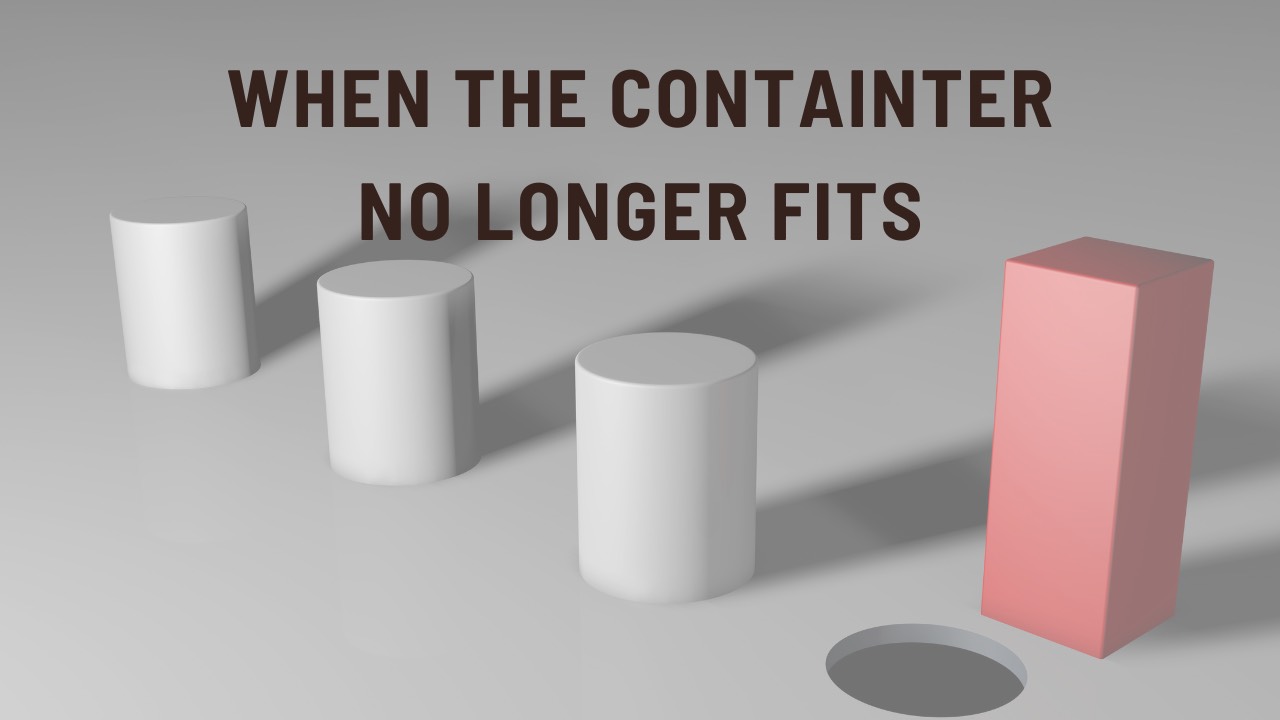
When everything feels urgent (but nothing moves)
Last week I wrote about the difference between holding it together and actually being okay.
This week is what comes before things start to feel clearer again.
The dangerous part of cognitive overload isn't dropping balls.
It's losing trust in your own judgment.
When you can't tell what's actually urgent anymore. When even small decisions feel impossibly heavy. When you know what you should do but can't get yourself to do it.
Your brain isn't broken. It's just maxed out.
And that's why it can feel like nothing is working right now.
Yesterday I sat down to deal with our finances, budgeting, taxes and my husband's business. All things I'm perfectly capable of handling.
And I just... froze.
I couldn't tell what was actually important. I couldn't figure out where to start. Everything seemed urgent, even though logically I knew it wasn't.
I wasn't confused about how to do any of it. I was mentally unavailable to myself.
The dangerous part wasn't that I didn't get it done. It was that I stopped trusting my own judgment about what even mattered most.
For almost an hour, I kept trying to think my way out of it and that just made it worse.
What's actually happening (the behavioral science part)
Your brain treats unresolved items like active threats. Even small ones. Even things that objectively don't matter this week.
The Zeigarnik effect means your brain is literally burning glucose trying to solve problems you're not even working on while you're in a meeting, making dinner, trying to sleep, or in my case, trying to do my finances.
That's not procrastination. That's your nervous system doing exactly what it evolved to do.
When cognitive load gets too high, a few predictable things break:
-
Decision-making slows down
-
Everything feels equally important
-
Your brain keeps reprocessing the same unresolved items
This is where people say:
"I know what I should do, I just can't get myself to do it"
What's really happening is their thinking capacity is overloaded.
That's where change has to start.
The first step: a Cognitive Overload Reset
Before you set goals. Before you make a plan. Before you touch a roadmap.
You need a Cognitive Overload Reset, it’s a way to give your brain back some breathing room.
And the fastest way to do that isn't prioritizing.
It's Closing Open Loops.
🛠️ One Practical Anchor (Use This Now): Closing Open Loops
Try this once.
Ask yourself:
-
What am I repeatedly thinking about that I'm not actually acting on right now?
-
Does this truly need a decision or am I just carrying it in the back of my mind?
-
What would realistically break if I stopped holding this in my head this week?
Then do one of three things:
-
Decide it (and be done)
-
Park it (with permission)
-
Let it go (on purpose)
That's it.
You're not solving everything. You're stopping unnecessary mental drain.
Most people feel relief after closing just one or two loops because their brain finally stops working overtime in the background. In my case when I did this it helped me park multiple things that I decided I would not tackle. It freed me to then focus on the most important things.
Why this matters
Here's what I see happen: People download the template, block the time, commit to the plan, and then nothing moves.
Not because the plan is bad but because their brain is still running background processes they haven't closed.
Planning only works when you have cognitive capacity to plan with.
Clarity isn't something you can force. It's something that returns only when the noise quiets.
🩵 What I’m Loving
🛠️ Tool / Practice
A simple “open loop list”, not a to-do list.
Just a running note where I dump anything that keeps resurfacing mentally. Seeing it written down immediately reduces cognitive load.
🎙️ Listen / Read
The Brainy Business Podcast:: Tackling Cognitive Overload | The Brainy Business podcast ep 358 .Melina Palmer breaks down why our brains hit capacity and what actually helps when we're there. It's a great reminder that cognitive overload isn't a personal failing that it's a predictable neurological response we can work with, not against.
🫶 Simple pleasure
Today I'm sitting with my husband while he waits for a doctor's appointment - the kind where you don't know what you're walking into, and the unknown sits heavy on him. What I've noticed is that when someone's brain is maxed out with worry, the kindest thing you can do isn't give advice or try to problem-solve. It's remove decisions they don't need to make right now. So today, I'm not asking "what do you want for lunch?" I'm just making it. I'm not suggesting options for how to spend the afternoon. I'm creating quiet space and letting him exist in it without having to decide anything else. Sometimes care looks like closing loops for someone when they can't close them themselves.
If this resonated, you don’t need to “fix” anything yet.
Just give your brain less to carry.
That’s how real change starts.
— Heather